Medicare Urgent Care Clinics are part of the Australian Government's response to pressure on emergency departments. They're designed for problems that need care today but aren't life-threatening. This guide summarises how they work, based on information from the Department of Health, Disability and Ageing. Details change, so always check the official pages and your local clinic.
This is general information, not medical advice. If a problem is severe or life-threatening, call Triple Zero (000).
What they are
According to the Department of Health, Disability and Ageing, Medicare Urgent Care Clinics:
- treat urgent but not life-threatening conditions;
- are bulk billed, so you don't pay for the service;
- don't need an appointment or a referral;
- are open extended hours, generally seven days a week.
Check your local clinic's opening hours before you go.
What they can help with
The department gives examples of conditions that may suit an urgent care clinic, such as:
- minor fractures, sprains and sports injuries;
- cuts that need stitches;
- minor burns;
- urinary tract, ear and eye infections;
- mild breathing problems;
- insect bites and rashes.
If you're not sure whether a problem suits an urgent care clinic, healthdirect can help. Call 1800 022 222 to speak with a registered nurse, or use the online Symptom Checker.
What they're not for
Urgent care clinics aren't for life-threatening emergencies, such as chest pain, severe difficulty breathing, severe bleeding, stroke symptoms or loss of consciousness. For these, call 000. See when to call 000.
They also aren't a replacement for your regular GP. For ongoing care, health checks, chronic conditions and prescriptions, see your GP.
How to find one
Use the Department of Health, Disability and Ageing's online search to find your nearest Medicare Urgent Care Clinic. healthdirect's service finder can also help.
What to bring
- Your Medicare card, if you have one.
- A list of your medicines.
- Any relevant information, such as allergies.
After your visit
The clinic may send information to your regular GP. Follow up with your GP as advised.
Urgent care clinic, GP or emergency department?
- Your GP knows your history and is best for ongoing care, check-ups and non-urgent problems. Many offer same-day appointments for urgent concerns.
- A Medicare Urgent Care Clinic is for urgent, non-life-threatening problems when you can't get a timely GP appointment, without needing an appointment or referral.
- An emergency department is for serious and life-threatening problems. Patients are seen in order of urgency, so people with less urgent problems may wait a long time.
If you're unsure, call healthdirect on 1800 022 222.
Working out what kind of care you need
Choosing the right place for care helps you get seen sooner and keeps emergency departments free for emergencies. As a rough guide:
- life-threatening or severe problems: call 000 or go to an emergency department;
- urgent but not life-threatening problems: a Medicare Urgent Care Clinic, or a same-day GP appointment;
- non-urgent problems and ongoing care: your regular GP;
- minor problems and medicine questions: a pharmacist;
- not sure: call healthdirect on 1800 022 222 or use its online Symptom Checker.
healthdirect's "What care do I need?" page explains these options in more detail. If symptoms change or worsen, seek help again.
Appointments for children and young people
Children are usually seen with a parent or guardian. As young people get older, a GP may offer them time to speak privately, which helps them build confidence in managing their own health. From age 15, young people can apply for their own Medicare card, and they can ask the practice about confidentiality. If you're booking for a child, mention their age when you book, and bring their Medicare details, immunisation history and any notes about the concern. Ask the practice about its billing policy for children, as some practices bulk bill children.
Be prepared before you need it
Preparing a little in advance makes after-hours problems easier to manage:
- keep a list of medicines, allergies and conditions for everyone in your household;
- keep basic supplies, such as a thermometer and pain relief suitable for each family member, following the instructions on the pack;
- keep enough of any regular medicines so you don't run out over a weekend or public holiday;
- know whether your nearest pharmacy opens late;
- save healthdirect's number and the location of your nearest urgent care clinic and emergency department.
While you wait for help
Doing a first aid course is one of the most practical things you can do to be ready for an emergency. Courses teach skills such as CPR, using an automated external defibrillator (AED), managing bleeding and helping someone who is choking. In an emergency, the 000 call-taker can talk you through what to do until help arrives, so stay on the line and follow their instructions. Keep a basic first aid kit at home and in the car, and know where the nearest AED is at your workplace or local sports club.
If you need an interpreter
If English isn't your first language, you can ask for an interpreter. The Translating and Interpreting Service (TIS National), run by the Australian Government, provides interpreting, and many GPs and specialists can use it for free for eligible consultations. Tell the practice when you book so it can arrange an interpreter by phone or, sometimes, in person. Using a professional interpreter, rather than a family member, helps make sure medical information is passed on accurately and privately. If you're deaf or have a hearing or speech impairment, ask about the National Relay Service or Auslan interpreting.
What happens when you arrive
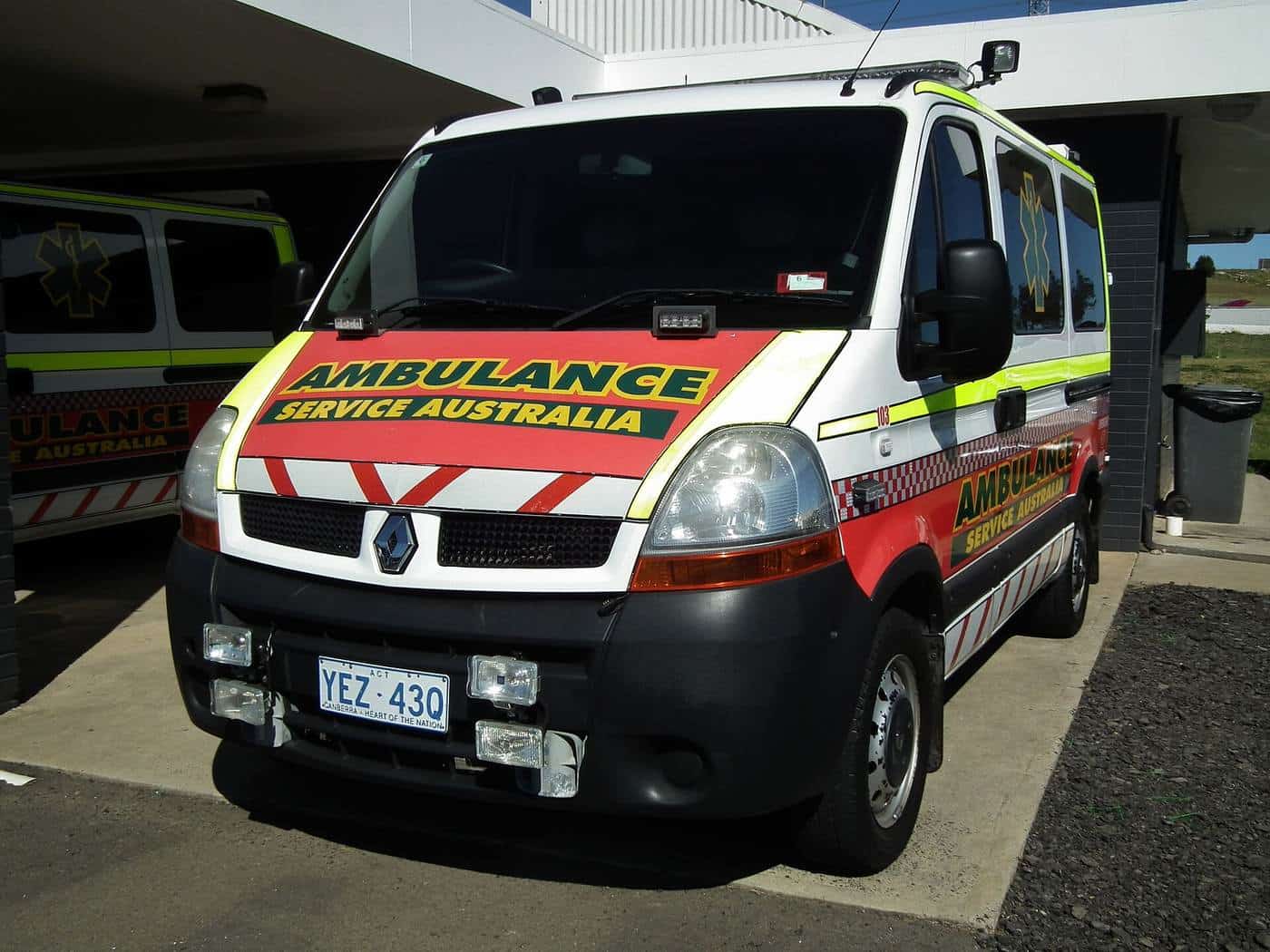
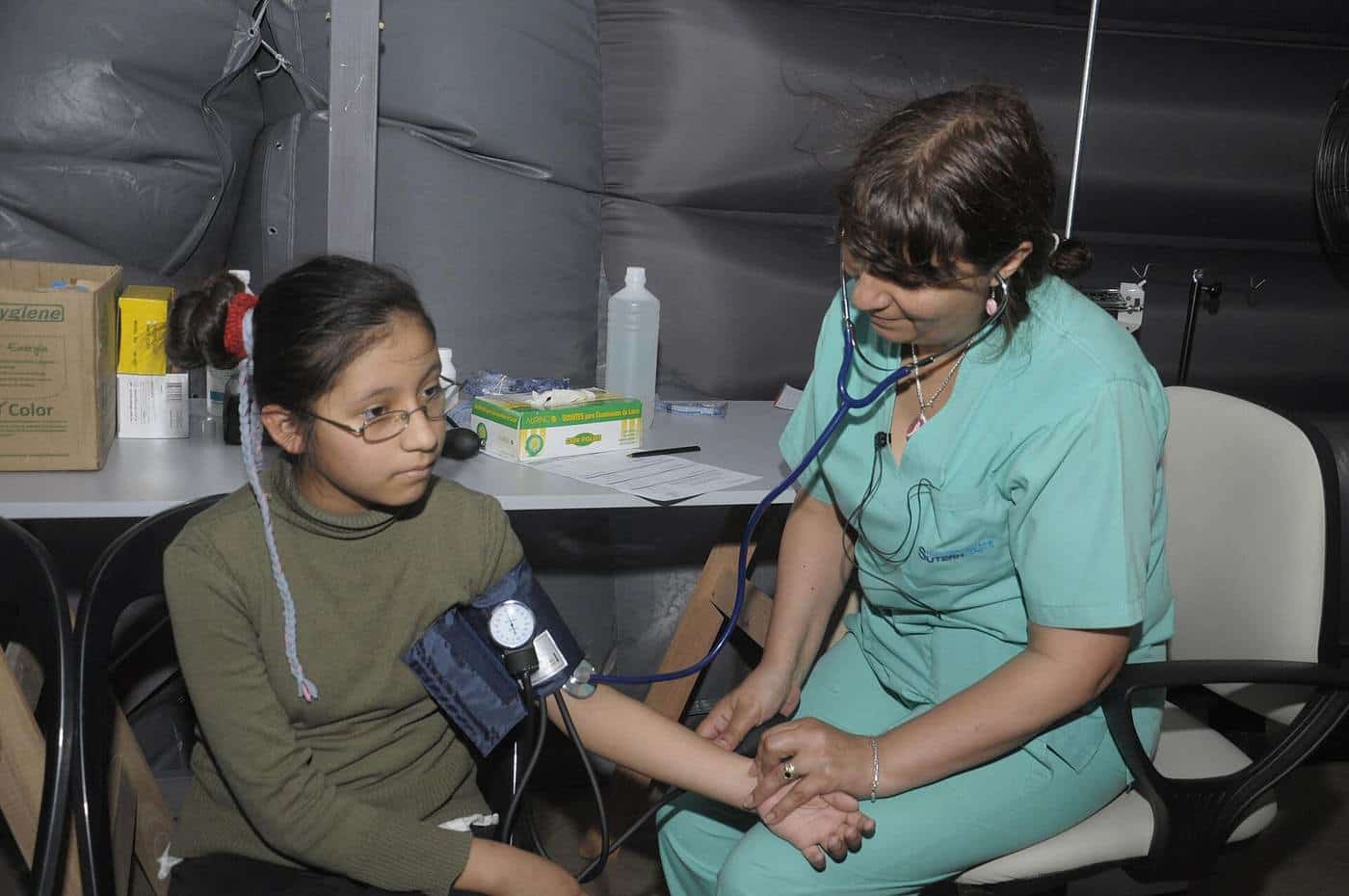
At most clinics, you'll be asked for your details and the reason for your visit, and a nurse or doctor may assess how urgent your problem is. People with more urgent problems may be seen first, so waiting times can vary. If your symptoms get worse while you wait, tell the staff straight away. If a clinic thinks your problem needs emergency care, it will direct you to an emergency department or call an ambulance.
What happens in an emergency department
Emergency departments use triage, which means a nurse assesses how urgently each person needs care and patients are seen in order of urgency rather than arrival time. People with life-threatening conditions are seen immediately, while people with less urgent problems may wait a long time. That's why choosing the right place for care matters. Public hospital emergency departments don't charge Medicare-eligible patients for treatment. Bring a list of medicines and any relevant information if you can.
Making a wait easier
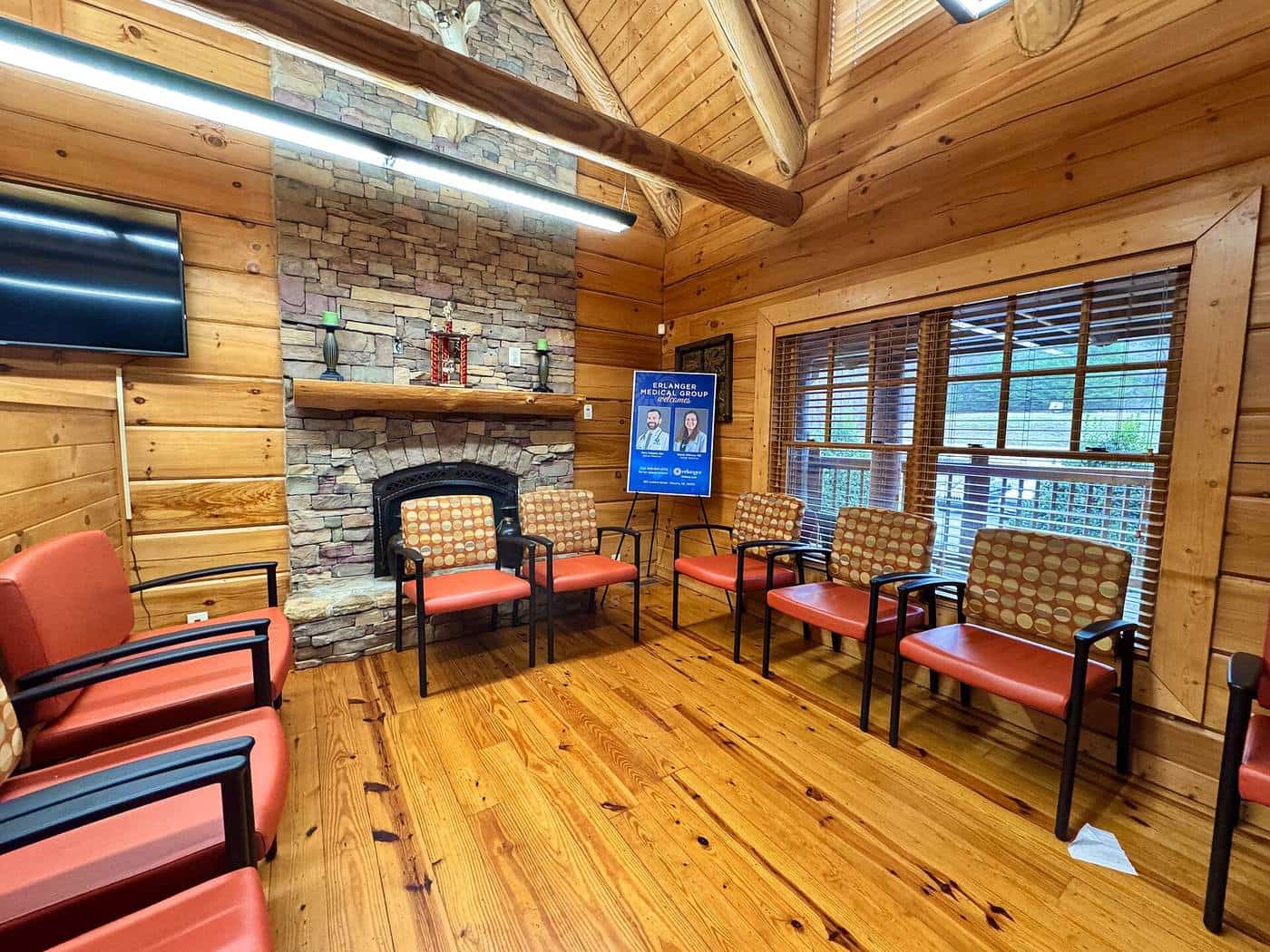
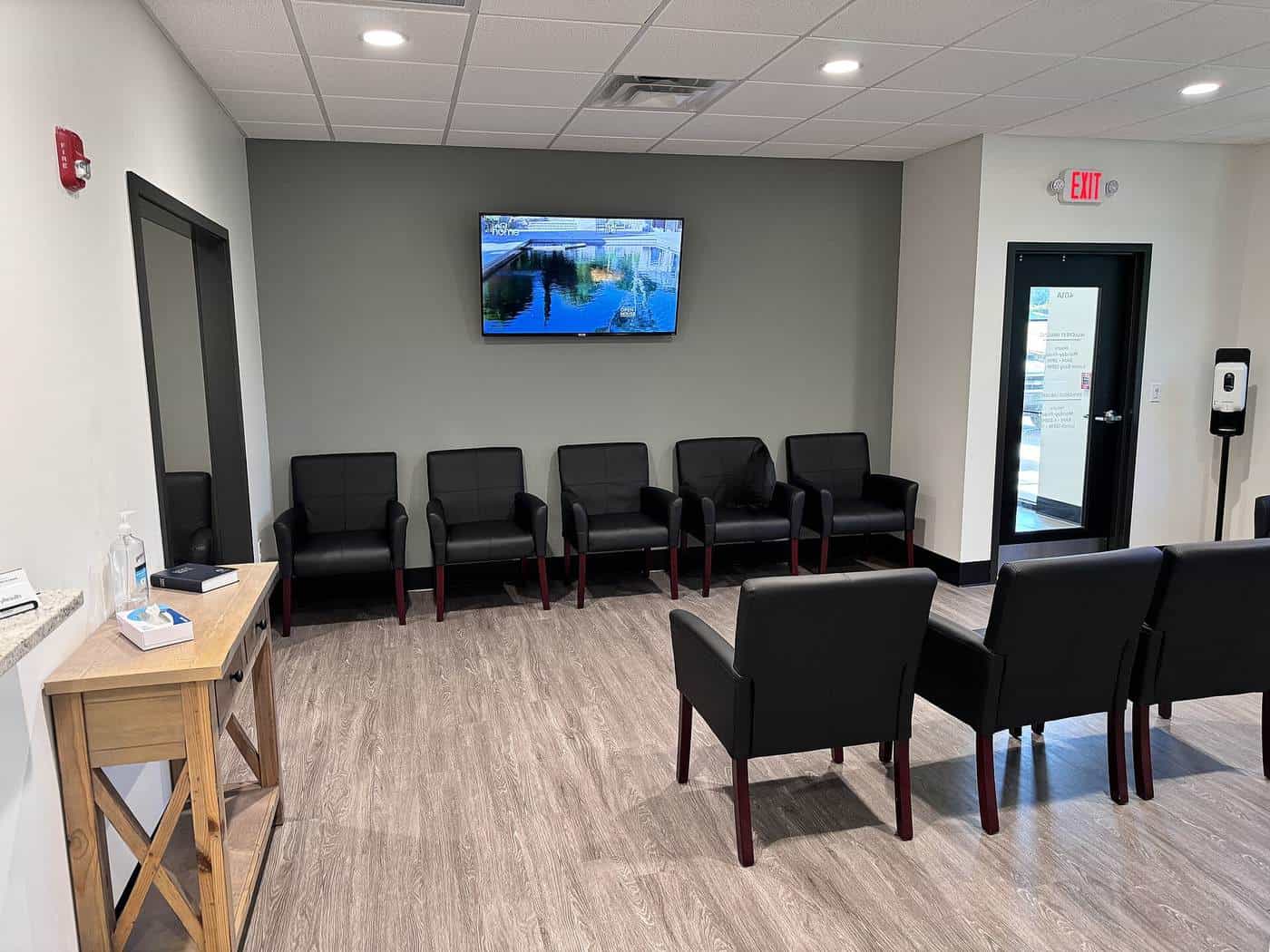
Waits can be long when clinics and emergency departments are busy. If you can, bring a charged phone and charger, something to drink, any regular medicines you may need, and something to keep children occupied. Let someone know where you are. Don't eat or drink if you think you might need a procedure until you've checked with staff. Above all, tell staff immediately if symptoms get worse.
How we keep this guide up to date
Medicare rules, government programs and service arrangements change from time to time. We review this guide against the official sources listed below and update the date at the top of the page when we check it. If something has changed, or you spot an error, please let us know through our contact page. Before you rely on any detail, especially eligibility rules, check the official page linked in the sources, or ask your practice or Services Australia directly.
Key points
- Medicare Urgent Care Clinics treat urgent, non-life-threatening problems.
- They're bulk billed, with no appointment or referral needed.
- Check local opening hours.
- For life-threatening problems, call 000.
- Follow up with your regular GP.
Frequently asked questions
What is a Medicare Urgent Care Clinic?
A clinic for urgent but not life-threatening conditions. According to the Department of Health, Disability and Ageing, they are bulk billed and you don’t need an appointment or referral.
What can they treat?
Problems like minor fractures, sprains, cuts, minor burns, and infections. Check the government website for examples.
Are they open after hours?
They are open extended hours. Check your local clinic’s hours.
Do I need a Medicare card?
Bring it if you have one. Ask the clinic about arrangements if you don’t.
When should I go to an emergency department instead?
For severe or life-threatening problems, call 000 or go to the nearest emergency department.
Sources and further reading
Facts on this page were checked against these primary and official sources. Conditions change — confirm before you travel or buy.
- About Medicare Urgent Care Clinics — Australian Government Department of Health, Disability and Ageing
- Find your nearest Medicare Urgent Care Clinic — Australian Government Department of Health, Disability and Ageing
- What care do I need? — healthdirect
- Calling triple zero (000) — healthdirect