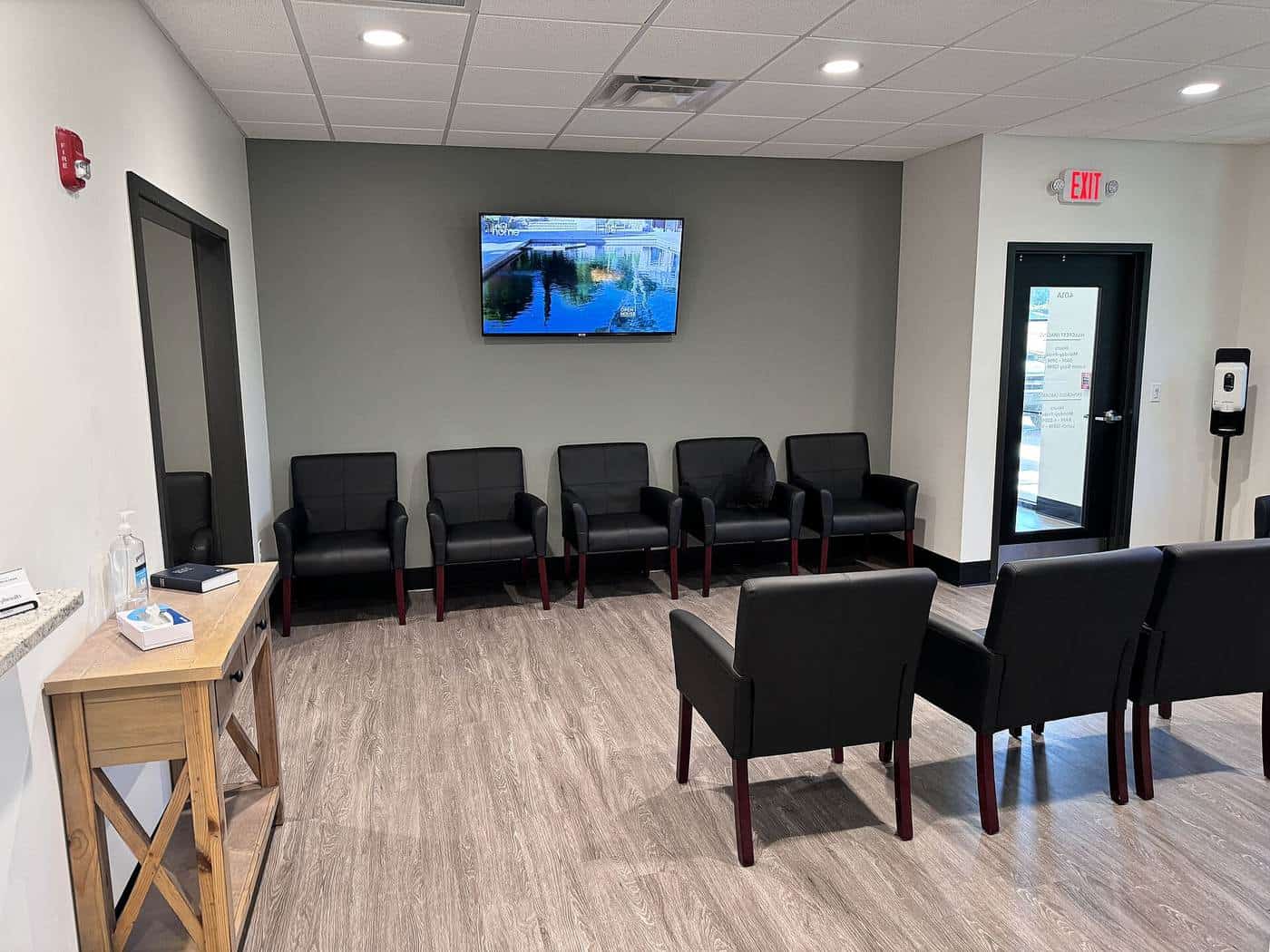
Most GP appointments in Australia are booked by phone or online, although some practices accept walk-ins. Knowing which type of appointment to ask for, and what information to give, helps you get the right amount of time with the right person.
This is general information, not medical advice. In an emergency, call Triple Zero (000).
Ways to book
By phone
Calling the practice is the most common way to book. Reception staff can tell you which GPs have availability, how long appointments are, and whether your visit is likely to be bulk billed. If your problem is urgent, say so, because many practices keep some appointments free each day for urgent cases.
Online
Many practices take bookings through their own website or an online booking platform. You can usually see available times, choose a GP and appointment type, and get a reminder by text or email. Online booking is convenient, but read the appointment types carefully so you book enough time.
Walk-in
Some practices see walk-in patients, often with a longer wait than booked appointments. Medicare Urgent Care Clinics accept walk-ins without an appointment or referral for urgent, non-life-threatening problems. See urgent care clinics.
Choosing the right appointment type
Practices use different names, but common types include:
- standard appointments for a single, straightforward issue;
- long appointments for several issues, complex problems, mental health care plans, health assessments or procedures;
- telehealth appointments by phone or video for suitable problems (see telehealth appointments);
- nurse appointments for things like vaccinations, wound care or health checks;
- procedure appointments for things like skin lesion removal, which may need extra time and equipment.
If you're not sure what to book, ask reception. It's better to book a long appointment than to run out of time.
What to tell reception
You don't have to share private details with reception, but a little information helps them book the right appointment. You might say:
- whether you're a new or existing patient;
- whether it's urgent;
- roughly how many things you want to discuss;
- whether you need a procedure, a form filled in, or a certificate;
- whether you'd prefer a particular GP, or a GP of a particular gender;
- whether you need an interpreter or have accessibility needs.
Ask about costs when you book
Ask: "Will this appointment be bulk billed? If not, what's the fee, and how much will I get back from Medicare?" Practices decide their own billing, and it can differ between GPs, appointment types and times of day. See asking about fees.
Before the appointment
- Note the time, address and any instructions, such as arriving early to fill in forms.
- Gather your Medicare card, concession card, list of medicines and any results or letters.
- Write down your questions. Our visit planner can help.
See preparing for your appointment for more.
Cancelling or changing
If you can't make your appointment, let the practice know as early as you can. Some practices charge a fee for missed appointments or late cancellations, so check their policy.
If you can't get an appointment soon
If your usual practice is booked out:
- ask to go on a cancellation list;
- ask whether another GP at the practice is available;
- consider telehealth if your problem is suitable;
- for urgent, non-life-threatening problems, look up a Medicare Urgent Care Clinic;
- call healthdirect on 1800 022 222 to speak with a registered nurse for advice on what to do.
If symptoms are severe or life-threatening, call Triple Zero (000). See when to call 000.
Working out what kind of care you need
Choosing the right place for care helps you get seen sooner and keeps emergency departments free for emergencies. As a rough guide:
- life-threatening or severe problems: call 000 or go to an emergency department;
- urgent but not life-threatening problems: a Medicare Urgent Care Clinic, or a same-day GP appointment;
- non-urgent problems and ongoing care: your regular GP;
- minor problems and medicine questions: a pharmacist;
- not sure: call healthdirect on 1800 022 222 or use its online Symptom Checker.
healthdirect's "What care do I need?" page explains these options in more detail. If symptoms change or worsen, seek help again.
Appointments for children and young people
Children are usually seen with a parent or guardian. As young people get older, a GP may offer them time to speak privately, which helps them build confidence in managing their own health. From age 15, young people can apply for their own Medicare card, and they can ask the practice about confidentiality. If you're booking for a child, mention their age when you book, and bring their Medicare details, immunisation history and any notes about the concern. Ask the practice about its billing policy for children, as some practices bulk bill children.
If you need an interpreter
If English isn't your first language, you can ask for an interpreter. The Translating and Interpreting Service (TIS National), run by the Australian Government, provides interpreting, and many GPs and specialists can use it for free for eligible consultations. Tell the practice when you book so it can arrange an interpreter by phone or, sometimes, in person. Using a professional interpreter, rather than a family member, helps make sure medical information is passed on accurately and privately. If you're deaf or have a hearing or speech impairment, ask about the National Relay Service or Auslan interpreting.
A quick checklist before you go
- Do I know the date, time, address and how to get there (or the link for telehealth)?
- Do I know whether it will be bulk billed or what the fee will be?
- Do I have my Medicare card and any concession card?
- Have I written a list of my medicines and my questions?
- Do I have any referral, results or letters I need?
- Do I need an interpreter, a support person or accessibility arrangements?
Our visit planner builds a printable version of this list.
Electronic prescriptions and requests
Many prescriptions in Australia are now electronic. Your doctor can send an eScript as a token, usually by text message or email, which you show at the pharmacy. If you take regular medicines, ask your pharmacy about an Active Script List, which can keep track of your eligible prescriptions so you don't need to manage tokens yourself. Pathology and imaging requests can also be sent electronically. Check the phone number and email the practice holds for you, so these arrive where you expect.
Veterans and DVA cardholders
If you hold a Department of Veterans' Affairs (DVA) card, tell the practice when you book and bring your card. DVA arrangements for health services differ from standard Medicare arrangements, and many providers bill DVA directly for eligible services. Ask the practice how it handles DVA patients. DVA's own website and its phone line can explain what your card covers. MyMedicare registration is also open to DVA Veteran Card holders, according to the Department of Health, Disability and Ageing.
How we keep this guide up to date
Medicare rules, government programs and service arrangements change from time to time. We review this guide against the official sources listed below and update the date at the top of the page when we check it. If something has changed, or you spot an error, please let us know through our contact page. Before you rely on any detail, especially eligibility rules, check the official page linked in the sources, or ask your practice or Services Australia directly.
Key points
- Book by phone, online or, at some practices, as a walk-in.
- Choose an appointment type that gives you enough time.
- Tell reception if it's urgent or if you need extra time, a procedure or an interpreter.
- Ask about bulk billing and fees when you book.
- Cancel early if you can't make it.
Frequently asked questions
Can I book a GP online?
Many practices take online bookings through their website or a booking platform. Others take bookings only by phone. Check the practice website.
What if I need to be seen today?
Many practices keep some same-day appointments for urgent problems. Call early. For urgent but not life-threatening problems, a Medicare Urgent Care Clinic may be an option.
Should I book a long appointment?
If you have several issues, a complex problem, a mental health concern or need a procedure, ask for a longer appointment.
What should I do if I can’t make it?
Let the practice know as early as you can so the time can go to someone else. Some practices charge a fee for missed appointments; ask about their policy.
What if my symptoms are severe?
Don’t wait for an appointment. In an emergency, call Triple Zero (000).
Sources and further reading
Facts on this page were checked against these primary and official sources. Conditions change — confirm before you travel or buy.
- What care do I need? — healthdirect
- About Medicare Urgent Care Clinics — Australian Government Department of Health, Disability and Ageing
- Bulk billing: for patients — Australian Government Department of Health, Disability and Ageing
- Questions to ask your doctor — healthdirect