If someone is seriously ill or injured, or their life is in danger, call Triple Zero (000) now. From a mobile, you can also call 112.
Not every health problem can wait for a regular appointment, but not every urgent problem needs an emergency department. Knowing your options ahead of time helps you get the right care quickly and keeps emergency departments free for emergencies. The guides in this section explain Medicare Urgent Care Clinics, after-hours options and calling 000, plus how to raise a concern if something goes wrong.
The guides in this section
- Medicare Urgent Care Clinics: what they treat, how they work and how to find one.
- After-hours care: healthdirect, after-hours GPs, pharmacies and more.
- When to call 000: what counts as an emergency, what to say and options for people with hearing or speech difficulties.
- Making a health complaint: starting with the provider, then your state or territory complaints body.
Where to go: a quick guide
- Life-threatening or severe: call 000 or go to the nearest emergency department. Examples include chest pain, severe difficulty breathing, severe bleeding, signs of stroke and loss of consciousness.
- Urgent but not life-threatening: a Medicare Urgent Care Clinic or a same-day GP appointment. Examples include minor fractures, sprains, cuts that need stitches and minor burns.
- Not urgent: book with your regular GP.
- Minor problems and medicine questions: a pharmacist.
- Not sure: call healthdirect on 1800 022 222 to speak with a registered nurse, or use healthdirect's online Symptom Checker.
Medicare Urgent Care Clinics
According to the Department of Health, Disability and Ageing, Medicare Urgent Care Clinics treat urgent but not life-threatening conditions, are bulk billed, and don't need an appointment or referral. They're open extended hours, generally seven days a week, but check your local clinic's hours. The department has an online search to find your nearest clinic.
healthdirect
healthdirect is a free, government-funded health advice service. Call 1800 022 222, 24 hours a day, 7 days a week, to speak with a registered nurse who can help you decide what to do. According to healthdirect, the nurse may connect you with a GP after hours. Some states run their own services, so check what applies where you live.
Calling 000
Ask for ambulance, give your exact location, answer the call-taker's questions and stay on the line. According to the ACMA, you can't contact 000 by SMS; people who are deaf or have a hearing or speech impairment can use the National Relay Service, including 106 by TTY. The Emergency+ app can help you give your location.
Be prepared
- Save healthdirect's number in your phone.
- Find your nearest urgent care clinic and emergency department now, before you need them.
- Keep a current list of medicines, allergies and conditions for everyone in your household.
- Consider a first aid course.
When things go wrong
You have a right to give feedback and make a complaint. Start with the provider, and if you can't resolve it, contact your state or territory health complaints body. See making a health complaint.
Children and urgent care
Children can become unwell quickly, and it can be hard to know how serious a problem is. If you're worried, call healthdirect on 1800 022 222 for nurse advice, and trust your instincts: if a child seems seriously unwell, has trouble breathing, is unusually drowsy or floppy, or you're very concerned, call 000 or go to an emergency department. Many Medicare Urgent Care Clinics see children, but check with your local clinic. Keep your child's Medicare details and immunisation history easy to find.
Mental health crises
If someone is at immediate risk of harm, call 000. For support any time, Lifeline is available on 13 11 14 and Beyond Blue on 1300 22 4636. A GP can help with ongoing mental health care.
How we keep these guides current
We review each guide against official sources and show the date it was last checked. Medicare rules and government programs change, so before relying on any detail, follow the source links on each guide or ask your practice or Services Australia. If you notice something out of date, please tell us through our contact page, and we'll check and correct it.
Five habits for smoother appointments
- Ask about billing when you book: whether it will be bulk billed and, if not, the fee and the Medicare rebate.
- Keep an up-to-date list of every medicine you take, including vitamins, supplements and over-the-counter products.
- Write your questions down and put the most important one first.
- Confirm the plan before you leave: tests, referrals, prescriptions, follow-up and warning signs.
- Know your options for urgent care, including healthdirect on 1800 022 222, Medicare Urgent Care Clinics and 000 for emergencies.
About these guides
Patient Appointments is an independent information site. We aren't a medical practice, booking platform, government agency or health insurer, we don't give medical advice, and no practice pays to appear in our guides. We don't publish fees or rebate amounts. We write every guide in our own words and list the official sources we used, such as Services Australia, the Department of Health, Disability and Ageing, healthdirect, Ahpra and the Australian Commission on Safety and Quality in Health Care. Rules and programs change, so check current details with your practice and the relevant agency. In an emergency, call Triple Zero (000).
Guides in this section
Urgent care
Medicare Urgent Care Clinics
What Medicare Urgent Care Clinics are, what they treat, how they differ from emergency departments and GPs, and how to find one.
Read · 6 min

Urgent care
After-hours care
Options for medical help after hours in Australia: healthdirect nurse advice, after-hours GPs, urgent care clinics, pharmacies and 000.
Read · 6 min
Urgent care
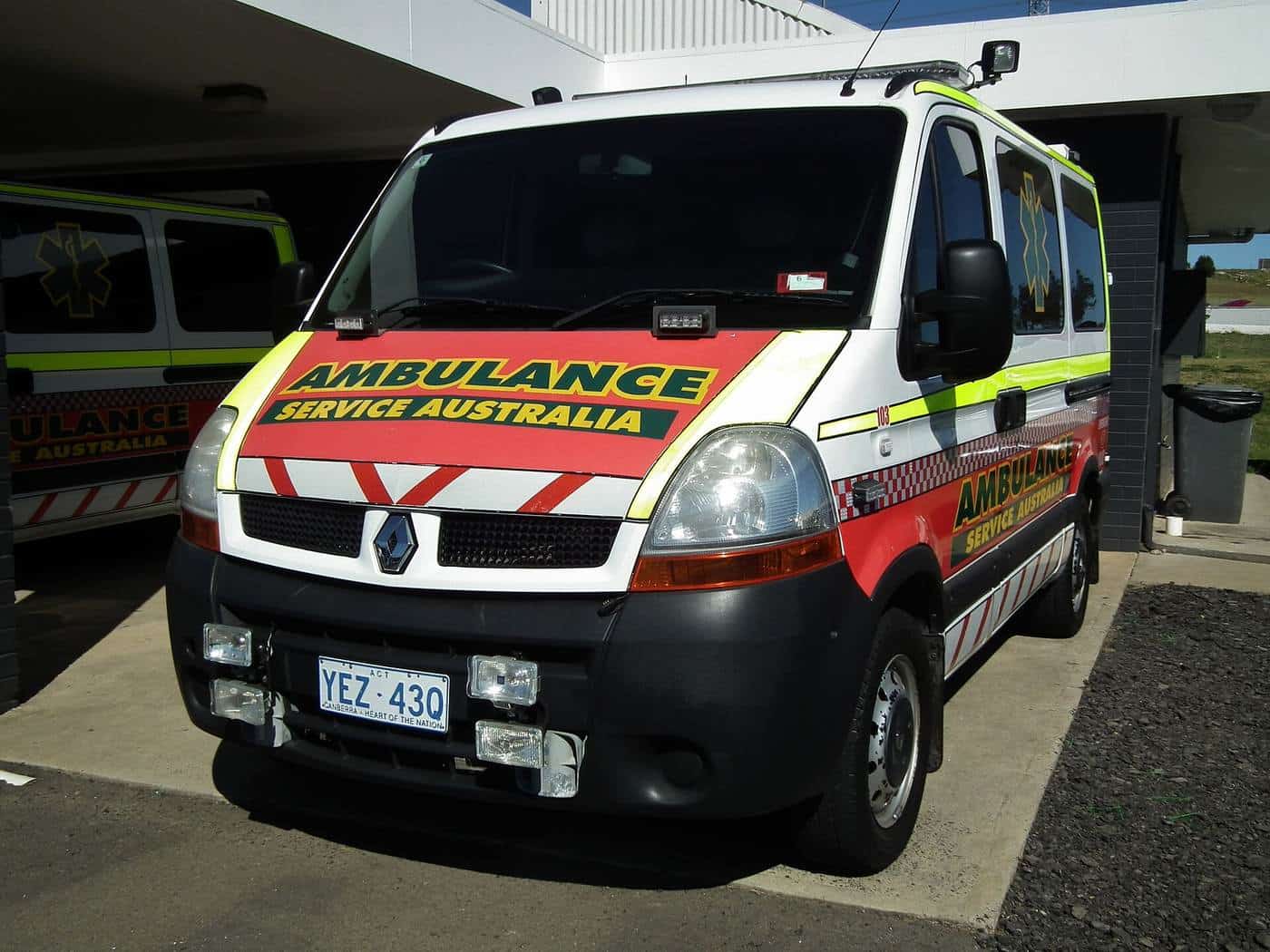
When to call 000
When to call Triple Zero (000) for an ambulance, what to say, calling from a mobile, and options for people with hearing or speech difficulties.
Read · 6 min
Urgent care
Making a health complaint
How to raise a concern or complaint about a health service: talking to the provider, then your state or territory health complaints body.
Read · 6 min
Frequently asked questions
Where should I go for an urgent problem that isn’t life-threatening?
A Medicare Urgent Care Clinic or a same-day GP appointment. If unsure, call healthdirect on 1800 022 222.
When should I call 000?
When someone is seriously ill or injured or their life is in danger. If in doubt, call.
Who can I call after hours?
healthdirect on 1800 022 222, 24 hours a day, 7 days a week.
How do I make a complaint?
Start with the provider. If that doesn’t work, contact your state or territory health complaints body.
Sources and further reading
Facts on this page were checked against these primary and official sources. Conditions change — confirm before you travel or buy.
- About Medicare Urgent Care Clinics — Australian Government Department of Health, Disability and Ageing
- What care do I need? — healthdirect
- Calling triple zero (000) — healthdirect
- Giving feedback and making complaints — Australian Commission on Safety and Quality in Health Care